Table of Contents:
These technologies complement the primary advanced and emerging cooling solutions, enhancing overall efficiency and addressing specific cooling needs in data centers.
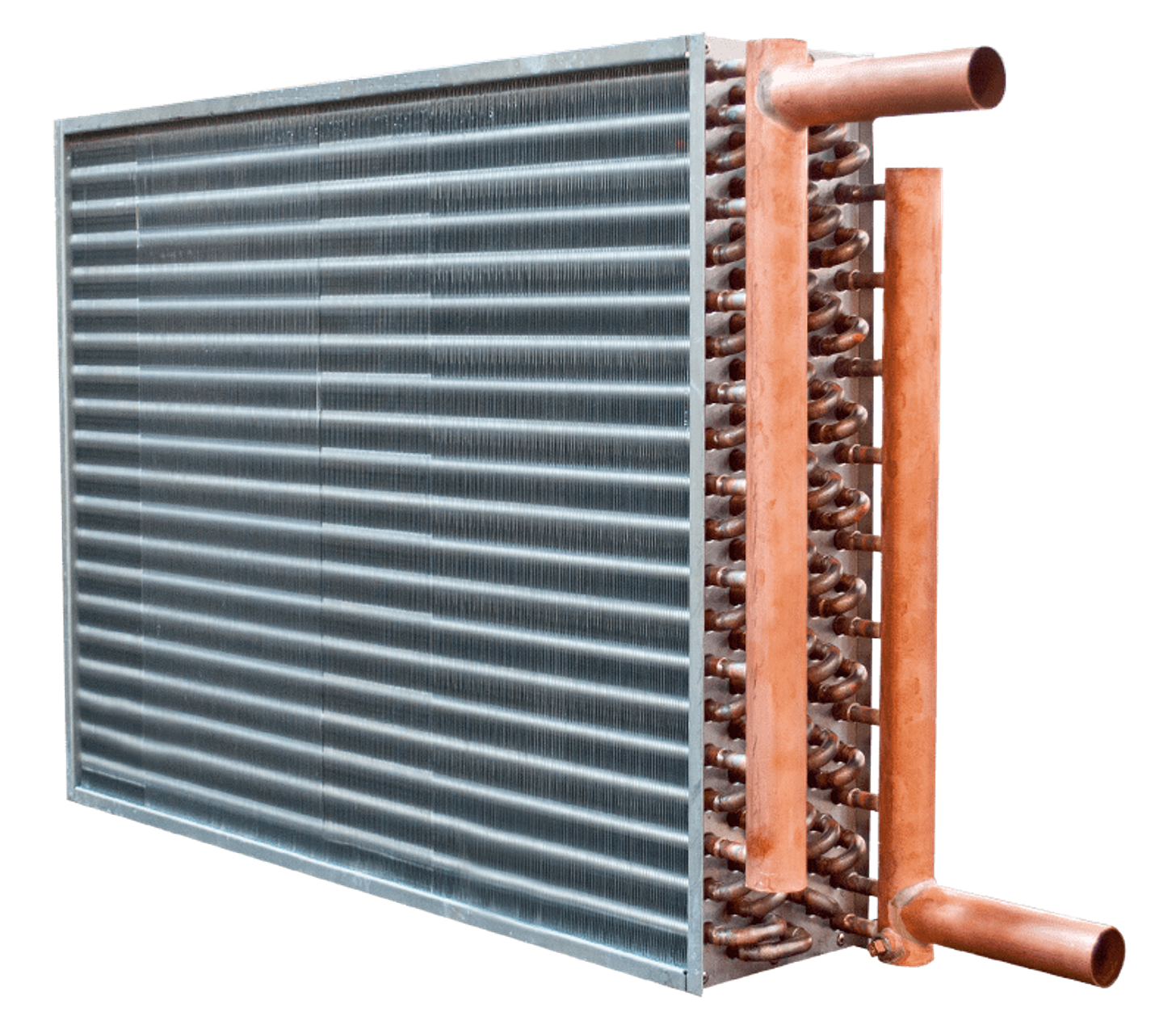
Radiator-Based Cooling in Data Centers
- Prevalence: Moderate to High
- Description: Radiator-based cooling systems use a radiator to dissipate heat absorbed by the coolant circulating through the system. Coolant, often water or a glycol mixture, absorbs heat from components and then passes through a radiator where fans expel the heat into the surrounding air.
- Mechanism: The coolant captures heat from components like CPUs or GPUs, and is pumped to a radiator. At the radiator, air is forced through the radiator's fins by fans, transferring the heat from the coolant to the air.
- Use Case: Commonly used in both automotive and computer systems, especially in personal computers and smaller server setups where moderate cooling is sufficient.
- Benefit: Provides a straightforward and effective way to manage heat, with components that are readily available and easy to replace or upgrade. It is relatively simple to install and maintain, making it popular for a wide range of applications.
- Data Center Use: Radiator-based cooling systems are quite common in data centers, especially in those configurations where water or liquid cooling solutions are implemented. They typically involve the use of radiators to dissipate heat from the coolant that absorbs heat from the data center equipment. This method is often used as part of a larger cooling infrastructure that might include chillers, cooling towers, and other heat exchange mechanisms.
- Limitations: In traditional large data centers, using individual radiators for each server could be inefficient due to space constraints and the complexity of managing multiple cooling units. This method is also less efficient in environments where high-density cooling is required due to its reliance on ambient air.
Closed-Loop (AIO) Coolers in Data Centers
- Prevalence: Low
- Description: Closed-loop or All-in-One (AIO) coolers are pre-assembled, maintenance-free systems that consist of a pre-filled coolant loop, a radiator, a pump, and a fan. These systems are sealed and do not require refilling or maintenance under normal conditions.
- Mechanism: The integrated pump circulates coolant through a cold plate attached to the heat source (like a CPU), then to a radiator where heat is released via fans. The closed loop operates independently without interaction with other system components.
- Use Case: Widely used in consumer PCs and gaming rigs where users require better cooling efficiency than air coolers and a cleaner, more aesthetic setup without the complexity and maintenance of custom water cooling.
- Benefit: Offers enhanced cooling performance compared to standard air coolers and is easier to install and maintain than open-loop water cooling systems. AIO coolers provide a balance of performance and convenience, making them a popular choice for users who are not ready to commit to custom water cooling setups.